
.jpg)
Showing posts with label Event. Show all posts
Showing posts with label Event. Show all posts
Friday, 31 August 2012


Thursday, 16 August 2012
Clippings - My Works in Media
.jpg)
Clippings
- My Works in Media
Exhibition
and Book Launch
Baskoro
Tedjo: Extending Sensibilities Through Design
(Architectural
Works 1997 – 2012)
EXHIBITION
August 27
- September 1, 2012
0900 - 1600
WIB
BOOK
LAUNCH
August
31, 2012
1500 WIB
Galeri Arsitektur SAPPK ITB
Sunday, 5 August 2012
.jpg)
Wednesday, 4 July 2012
Place.MAKING as an Architectural Pedagogy Agenda

Pameran Place
Juli 7 - 13, 2012
‘Tempat’ (place) adalah sebuah titik (locus) pada ruang yang
terdefinisikan dari hadirnya manusia berkegiatan. Arsitek, melalui kepekaan dan
daya kritisnya, membaca lapisan
rajutan-rajutan teks dari ruang sebagai potensi hadirnya sebuah tempat.
Arsitek, melalui kepekaan dan daya kritisnya lagi, memberdayakan material untuk mengungkap, mengartikulasi, dan
mengomposisi lapisan rajutan teks tersebut menjadi sebuah tempat.
Pameran Place ini akan memperlihatkan beberapa karya
mahasiswa dari lima studio dan sebuah mata kuliah yang berupaya menunjukkan
bagaimana sederhana atau kompleksitas terbacanya lapisan rajutan teks tersebut
(konteks) mempengaruhi arsitektur yang hadir. Sebuah kenangan/ romantisme
terhadap kualitas sebuah tempat dapat menjadi daya yang kuat untuk merancang
arsitektur.
Kondisi iklim/ geografis mempengaruhi sumber daya material,
pasti langsung mempengaruhi tektonika dari arsitektur tersebut. Pada tataran
kota, lapisan teks sosial, ekonomi, dan politik jelas tak bisa dihindari
menjadi rajutan yang harus dengan peka dan kritis dibaca oleh arsitek dalam
merencanakan dan merancang sebuah arsitektur dalam ruang.
Pameran MAKING
Juli 14 - 22, 2012
“The scale model machine extends the architect’s own modest
ability to measure the perceived chaos of the unknown. The scale mode is our
modest mode in which the manner is measured”
Albert Smith
Architectural Model as Machine
Membuat adalah persoalan memindahkan apa yang ada di pikiran
menjadi nyata pada dunia indera, untuk menjembataninya, sebuah medium selalu
dibutuhkan, medium tersebut adalah scale model.
Dalam subtema pameran ini, melalui scale model yang mereka
hasilkan mahasiswa Arsitektur UPH dari tiga studio berbeda ingin menunjukkan
dua peran sebuah model (modus). Pertama, ia dapat berperan sebagai penengah
(modest) antara pikiran dan dunia; antara apa yang sudah diketahui dan yang
belum diketahui; antara apa yang diinginkan dengan segala konsekuensi yang tak
terduga.
Kedua, model juga berfungsi sebagai alat ukur atau pencari
(modulus), untuk mengetahui berbagai peluang yang tak terpikirkan sebelumnya.
Scale model tersebut mendemonstrasikan sejauh mana pemikiran dan menggunakan
metode analog dan digital, memahami material dan konstruksi, serta bentuk dan fungsi. Hadirnya 3 studio
dengan titik berangkat yang berbeda ini menunjukkan kesatuan kronologis cara
berpikir dalam membuat. Mana yang lebih dulu? Mungkin hanya dapat dijawab oleh
mereka yang pernah mengalaminya.
Pavillion Project
Juli 7 - 22, 2012
The Pavilion Project adalah proyek yang diprakarsai oleh
mahasiswa arsitektur UPH dan dibimbing oleh staf pengajar jurusan arsitektur.
Projek berbasis bengkel eksperimen ini dijadwalkan secara teratur sepanjang
semester dari Januari sampai Mei 2012.
Proyek tahun ini bertujuan untuk melakukan percobaan pada
penggunaan mesin lasercutter, maka workshop desain ini mengeksplorasi berbagai
kemungkinan bentuk yang dapat dicapai melalui modul-modul planar. Workshop ini
juga menjajaki kelayakan material dan sambungan, dan bertujuan untuk menemukan
cara yang paling efisien untuk mencapai desain yang spesifik melalui penggunaan
perangkat Grasshopper, dan batas kapasitas mesin lasercutter (dengan
menggunakan kayu multipleks 9 mm).
Desain akhir mengekspresikan susunan modul planar ke ruang
volumetrik. Modul-modul metaballs melengkapi instalasi ini dan dihasilkan
dengan teknik pemetaan perangkat Grasshopper.
Personal Space Installation
Juli 7 - 22, 2012
Pada studio ini, model merepresentasikan bagaimana
eksplorasi mahasiswa menggunakan alat analog. Segala macam permasalahan olah
bentuk mereka hadapi saat itu juga tanpa perantara, seperti sambungan,
material, dimensi dan bobot, serta masalah lainnya. Tujuan dari studio ini
adalah melatih kepekaan indera mahasiswa akan bentuk - fungsi - material.
Tindakan visualisasi adalah tindakan pasif dan merupakan
bakat dasar yang mempengaruhi indera dan keadaan pikiran (kreativitas). Oleh
karena itu, ia juga mempengaruhi tubuh secara langsung dan menggairahkan indera.
Jika arsitektur, dilihat sebagai objek yang diinginkan oleh indera, maka proses
membuat harus dilibatkan dalam proses berarsitektur. Dalam konteks ini, proses
membuat menjadi sebuah proyeksi visual dan medium desain yang mana ia dapat
memperluas spektrum visual untuk dalam pengembangan ide dan cara berpikir.
Tema pameran ini menyarankan proses membuat sebagai komponen
dalam proses mengubah ide menjadi benda nyata melalui eksplorasi yang terus
menerus. Dasar pembuatan itu sendiri adalah kritik-diri dan produk-produknya
adalah kualitas yang berakar pada alam bawah sadar indera tubuh dan pikiran.
Text by Andreas Wibisono, Stanley Wangsadihardja, Dani Hermawan and Hafiz Amirrol
Tuesday, 3 July 2012
Place.MAKING - UPH Architecture Department 2nd Public Exhibition

‘Place.MAKING’ sebagai sebuah obyektif dari kegiatan
berarsitektur adalah sesuatu yang berlapis dan terdiri dari komposisi beragam
komponen dan elemen yang berbeda skala, konstrain, dan konteks.
Sebagai sebuah operasi ‘Place.MAKING’ adalah proses yang
mengandalkan kepekaan terhadap sesuatu yang abstrak dan kongkrit, serta
kemampuan untuk melakukan translasi dari ranah abstrak ke kongkrit.
Pergerakan ini adalah sebuah dialektika. Pada saat sebuah
ide arsitektur termaterialisasi, arsitektur memberikan abstraksi bagi
lingkungan di sekitarnya. Sebagai proses spiral yang berputar saling mengisi.
Jonathan Hill, membacanya sebagai sebuah peluang munculnya hal-hal yang
bersifat happening dalam sebuah proyek arsitektur; tidak lain karena ide
arsitektur hanya bisa terbukti setelah tergunakan. Selalu adanya aspek
contigency dalam kegiatan berarsitektur dan menggunakan arsitektur adalah
sesuatu yang sebaiknya diprovokasi hadir dan bukan dihindari.
‘Membuat/membangun (making) adalah salah satu proses penting
dalam berarsitektur namun daya dorong dan kepekaan terhadap masalah-masalah
yang berkaitan dengan ‘tempat bagi manusia’ lah yang menjadi kunci ketepatan
dan ketajaman kehadirannya.
Masalah arsitektur adalah masalah pelik (wicked problem)
menurut Horst Rittel. Sebuah masalah yang tak berujung dan tak mungkin
dibuktikan sampai ia hadir. Mungkin ini lebih pas jika kita gunakan sebagai
landasan untuk melihat arsitektur adalah sesuatu yang hidup dan bukan hanya
sebuah obyek.
Arsitektur punya keterbatasan karena pada akhirnya ia
menyentuh/ menyapa/ menyampaikan pesannya kepada para pengguna dan pengamatnya
melalui hal-hal praktis; melalui elemen titik, garis, bidang atau lantai,
kolom, dan atap. Dari hal-hal praktis inilah kemudian muncul makna jika
dipahami oleh penggunanya. Oleh karena itu arsitek harus melihat lebih jauh dan
melampaui pemahaman bahwa arsitektur bukan hanya ‘olah ruang’ (articulation of space) namun sebuah operasi
‘membuat tempat’ (place making). Ini akan memberikan perspektif yang lebih
membumi namun kaya, dan membuka peluang lebih luas untuk berkontribusi pada
kemanusiaan pada porsinya.
Pameran ‘Place.MAKING’ ini terdiri dari dua pameran yang
disusun secara naratif tentang bagaimana pendekatan pendidikan arsitektur di
UPH mendemonstrasikan pemahaman tersebut. Pameran ini akan berlangsung selama
dua minggu. Pameran ‘Place’ akan membuka kegiatan pameran ini yang akan
dilanjutkan secara simultan dengan pameran ‘MAKING’ pada minggu kedua.
Text by David Hutama
Place.MAKING
UPH Architecture Department 2nd Public Exhibition
July 7 - 22, 2012
dia.lo.gue Artspace
Jl.Kemang Selatan 99a, Jakarta Selatan
Check out for more Place.MAKING updates
Wednesday, 31 August 2011
Diskusi 'I am Always Stammering!' Vol. 3 - As One of Lewis Carroll's


Diskusi 'I am Always Stammering!' Vol. 3 - As One of Lewis Carroll's
Stammerers:
Kumiko Homma
David Hutama
Asti Goenawan
Roy Voragen
Moderator:
Hafiz Amirrol
Date: Friday, 9 September 2011
Time: 19:00 - 22:00 WIB
Venue: LABO. the mori, Jl. Bukit Dago Utara II, No. 22, Bandung, Indonesia
Free and open to public
Tuesday, 26 July 2011
Pena Akhir Pekan Vol 1.1 & 1.2 - Reka Batas Ruang


Pena Akhir Pekan @ ngePAP
Date: Friday, 29 July 2011
Time: 16:00 - 18:00 WIB (Session 1.1), 19:00 - 21:00 WIB (Session 1.2)
Venue: Tobucil, Jl. Aceh No. 56, Bandung 40113
Read berkota for more information.
Friday, 8 July 2011
ITB Tekno 2011 Exhibition

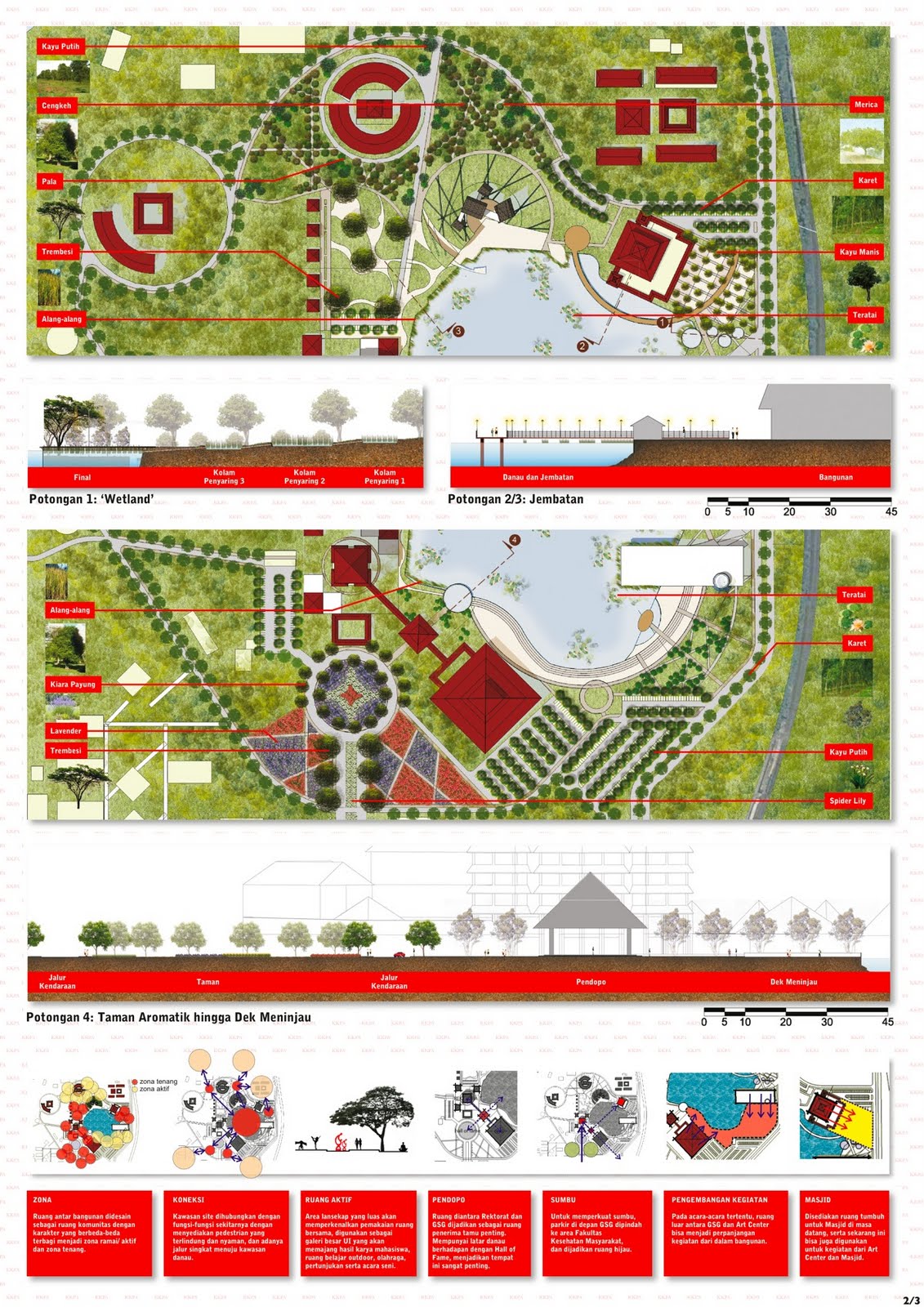


Art direction and graphic design: Hafiz Amirrol and Rampakasli
Content research and development: Ishma Soepriadi
Exhibition information: Pameran Hasil Penelitian ITB 2011
All research and designs are copyright of respective authors and SAPPK ITB. All rights reserved
Monday, 4 July 2011
Risk Reduction Tectonics - Installation at Datum:KL 2011 Kuala Lumpur Architecture Festival

Despite the current brouhaha over problems of natural disaster, man-made disaster, calamity, and so on, the issue of sustainability is not just limited to matters of planning, design and technology. Our experiences in disaster response and recovery activities for the past 10 years assert that the core component in ensuring sustainability, whether in terms of physical or non-physical aspects is the people. In the last decade, the world has witnessed a multitude of natural disaster ranging from the great tsunami of 2004 to the recent earthquake and tsunami in Japan. Relief efforts from international agencies have contributed in improving the lives of the disaster victims.
As a medical relief organization, MERCY Malaysia had to widen its areas of expertise within a short period of time. Most of the time, we know little about what to expect, but with the support of volunteers of a multi-faceted background, MERCY Malaysia finally managed to gather most of the required professionals to start its rebuilding and reconstruction projects. With the inception of its Technical Team in 2005, MERCY Malaysia is committed to analyze, research and propose effective means of disaster management by approaching each of our reconstruction projects carefully. This commitment include proposing projects and programs which promotes community participation and enabling them to protect themselves against disaster, which is also known as Community Based Disaster Risk Management (CBDRM). Other important aspect in approaching each works are by trying to achieve an understanding for the public and end users in becoming a prepared and responsive community through comparative studies of the effectiveness of processes, guidelines, policies and concepts.
Installation design and text by Norazam Abu Samah, Fairus Salehen and Hafiz Amirrol
Construction by Kamaruddin Ibrahim
Photo courtesy of Datum:KL 2011

Friday, 1 July 2011
Diskusi 'I am Always Stammering!' Vol.2 - To Be Great (Ghost) Writers


Diskusi 'I am Always Stammering!' Vol. 2 - To Be Great (Ghost) Writers
Stammerers:
Kumiko Homma
Avianti Armand
Asti Goenawan
Hafiz Amirrol
Moderator:
Achmad Tardiyana
Date: Saturday, 2 July 2011
Time: 19:00 - 22:00 WIB
Venue: Rumah Baca, Jalan Mars Dirgahayu, Cukang Kawung, Bandung, Indonesia
Free and open to public
Thursday, 9 June 2011
World Architect Series by IAI Nasional - Guest Lecture by Rem Koolhaas

Continuing the World Architect Series Program, jongArsitek! and Ikatan Arsitek Indonesia Nasional presents a guest lecture by Rem Koolhaas.
Venue: Blitz Megaplex, 8th Floor West Mall, Grand Indonesia, Jakarta, Indonesia
Date: Monday, June 20, 2011
Time: 1530 WIB
Date: Monday, June 20, 2011
Time: 1530 WIB
Free Entry, please call 021 5304715 or 021 5304722 for reservations.
Tuesday, 24 May 2011
Studium Generale SAPPK Institut Teknologi Bandung 2011

Information are correct at time of upload. Please visit ADRG's website for latest updates.
*Poster design by Prathiwi Widyatmi
Saturday, 2 April 2011
Diskusi 'I am Always Stammering!' Vol.1


‘I am Always Stammering!’ Vol.1 was successfully conducted at The Painting Garage on Friday, March 25, 2011. The discussion session was dedicated to collect funds to assist the construction of temporary shelters for the March 2011 earthquake and tsunami victims in Japan. Funds collected from the event were donated through a collective network that support the initiative of Shigeru Ban – the architect whom is designing the temporary shelter units. The discussion attracted audiences, not only within the arts and architecture community, but also crowds from other disciplines that include film and music critics, law, language and cultural studies, media and writing and others. A big group of Japanese residing in Bandung also attended and donated during the event, and not to forget the big support we received from Sushi Tei.
The discussion theme was loosely structured to invite audiences to share and discuss their understanding and thoughts on the issue of being a stammerer – which can be loosely interpreted within the context of language, narrative, ideas and ways of working things and one’s thought. The event started with a projection of visual narratives from Jean-Luc Godard’s latest works, Film Socialisme that then drove the stammerer of the night, Kumiko Homma(1) into the topic of creative stammering. She relates creative stammering with a statement from Gilles Deleuze who described Godard as always being a stammerrer, but not stammering in his words, but stammering in the language itself. Kumiko described herself as being a foreigner actually brought many positive insights for her to not only understand, but expressed something by viewing things from the perspective that locals or people who are used to a certain context can’t. She again borrowed Deleuze’s text that support creative stammering as a powerful tool in the process of learning and creativity, “to be a foreigner not in another language but in your own language...only creative stammering can make a force..”
Taking the discussion to the context of architecture and art, Kumiko then presented some of her researches that studied the work of Junya Ishigami, the young avant-garde Japanese architect, as well as works and teaching method of Shin Egashira, a diploma unit master at the AA School of Architecture, which has also taken similar curious approaches. Henry Gunawan(2) supports the presentation with some architectural and design aspects of the works, making a more concrete and clearer statement on how creative stammering and the in-between-ness of art and architecture can also be a valid approach in the context of making good and interesting built environment. David Hutama(3) then brought the audiences into the discussion of being a stammerer by providing information and facts that connected the gap between Godard, Ishigami and Egashira and took the discussion into the context of Indonesia. Being a stammerer himself while becoming an Indonesia student living in Japan, David viewed the issue from the other side that Kumiko had not noticed while being a Japanese living in Indonesia. This is also the case with Henry and Hafiz Amirrol(4), whom both had experienced living outside of their own country and became stammerers themselves.
Asti Goenawan(5) brought some of her beautiful paintings to The Painting Garage and shares her experience of becoming the painting lawyer. Not having a formal training as a painter, Asti developed her painting skills through observation, influences and experience. In her case, she is experiencing creative stammering not in the context of geographical, cultural and social differences, but as someone who is stammering in a discipline that she was not trained in. Hafiz also presented some of his works that have strong roots in the field of fine arts, which he developed through his formal training as an architect. Adding to those presentation, Reza Ismail, an urban architect that religiously is also a music collector gave some of his insights, which then brought Tata Soemardi, an assistant professor and practicing urban designer that has practiced in the United States, Europe and Asian countries to share some of his personal thoughts on working in foreign land and coming back to his hometown Bandung. Ade Tinamei who is also a practicing urban designer gave some added notes on her travelling experience that was a mixed between heaven and hell.
Click here for further reading on a note by David Hutama.
*Stamerrer, Moderator and Discussants:
Click here for further reading on a note by David Hutama.
*Stamerrer, Moderator and Discussants:
1. Kumiko Homma is a PhD candidate in Comparative Civilizations Studies and has been living in Bandung for three years. A big fan of Schoemaker, Deleuze and Rossi? No, she is just a Stammerer!
2. Henry is a practicing architect, graduated from Columbia University and the Ohio State University. He is the principal of HGT Architects, and has worked on numerous projects in Indonesia with experiences in prestigious New York architecture firms. Some of his current works include residential and commercial projects, as well as participating in international conferences and exhibitions.
3. David is an architectural and urban historian by training. His latest writing "Ruang Publik dalam Arsitektur" has been published in a book titled "Wacana tentang Ruang Publik" edited by F. Budi Hardiman. David teaches at Universitas Pelita Harapan and is currently the Head of the Architecture Department.
4. Hafiz is the writer of this blog.
5. Asti loves to paint since she was a child. Graduated from the Faculty of Law, Universitas Parahyangan Bandung, Asti is a self-trained painter. She had her first solo exhibition in July 2010, entitled "In Her Comfort Zone", followed by a second one, "The Tales of Purple" in August 2010 at Jakarta.

Sunday, 20 March 2011
Diskusi 'I am Always Stammering!' Vol.1


Diskusi 'I am Always Stammering!' Vol. 1
Discussion Panels:
Discussion Panels:
Kumiko Homma (Stammerer)
David Hutama (Moderator)
Asti Goenawan, Hafiz Amirrol and Henry Gunawan Tjhi
Date: Friday, 25 March 2011
Time: 19:00 - 21:30 WIB
Venue: The Painting Garage, Hegarbudhi 2, Jalan Setiabudi, Bandung 40141, Indonesia
Entrance Fee: IDR 20.000*
* Entrance fee will be fully donated to the victim of the March 2011 earthquake and tsunami tragedy in Japan via Shigeru Ban Architects
Thursday, 24 February 2011
Visiting Lecture Series SAPPK Institut Teknologi Bandung 2011

Information are correct at time of upload. Please visit ADRG's website for latest updates.
*Poster design by Rancang Kota ITB 2010
Wednesday, 16 February 2011
UNIKOM ABA Award and Design Presentation

Design Presentation by Baskoro Tedjo, Sarah Ginting and Rampakasli
Venue: Selasar Arsitektur UNIKOM Lt. 6, Jl. Dipati Ukur No. 112, Bandung, Indonesia
Date: Sunday, February 20, 2011
Time: 0800 - 1600 WIB
Reservation: +6281394219310 (Sutandi) or +6285720573640 (Malvina)
Date: Sunday, February 20, 2011
Time: 0800 - 1600 WIB
Reservation: +6281394219310 (Sutandi) or +6285720573640 (Malvina)
Free Entry
*Poster design by UNIKOM
Sunday, 30 January 2011
Diskusi Arsitektur Dalam Tulisan


Saturday, 29th January 2011, Rampakasli and Ruang17 collaborated to organize a forum discussing architecture in the form of writing. Seeing the positive progression of Indonesian architects in writing books and journals in the form of project descriptions, reviews, design sharing and inspirations, critiques and theories, Diskusi Arsitektur Dalam Tulisan was designed to promote awareness and inspire young generation of architects (students and practitioners) to get involved in architectural writing. Achmad Tardiyana, a respected senior architect and academician who teaches at the Institut Teknologi Bandung and practices at Urbane Indonesia provided a resourceful presentation of the 20th century architects who actively write and contribute to the development of architectural knowledge, critiques and development. Discussing the works of prominent international writers such as Le Corbusier, Leon and Rob Krier, Aldo Rossi, Robert Venturi and Dennis Scott Brown, Herman Hertzberger, Bernard Tschumi, Peter Eisenman, Rem Koolhaas, Bjarke Ingels to South East Asian architects such as Adi Purnomo, Kevin Low and Yu Sing, Achmad Tardiyana opens up a new horizon of knowledge for the participants of the event on how important writing can contribute and have influence on architecture and the whole built environment. Achmad Tardiyana recently published {so.lil.o.quy}, a book showcasing his architectural works and thoughts.
Enzeline Fransiska Manurung, the young writing architect that just published her new book, 30 Inspirasi Desain Rumah Bertingkat shares her experience in writing and preparing materials for the design book. Currently a post-graduate student at the Institut Teknologi Bandung, Enzeline's presentation was intended to inspire young architects to venture into the world of writing, and provided participants with a clear overview on the processes of writing and publishing a book on architecture and design. The final presenter was Thoat Fauzi, representing his office, Genesis Studio, a group of visionary young and proactive architects that promotes good design as a social activism. His presentation discuss ten recent works by Genesis Studio that deals with and trying to respond to contemporary urban issues in Indonesia, such as the need of cheap and good housings, public spaces and sustainable designs. These inspiring and non-conventional thoughts on architecture that were applied in their designs will be soon published in the form of a book.
Rampakasli and Ruang17 would like to sincerely thank all participants, especially to Imelda Akmal, Yu Sing and Kumiko Homma that contributed to this forum, throwing thoughts, ideas, critiques and comment by actively discussing and debating on the highlighted issues brought up by the three presenters. We hope that this session can be continued and elevated to another level of discussion in promoting the culture of writing within architects and designers.
Subscribe to:
Posts (Atom)